July, 2020
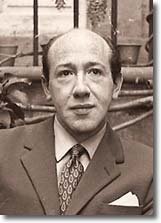
David Diamond
Diamond Facts:
Born:
July 9, 1915
Died:
June 13, 2005
Country:
America
Diamond Trivia:
Diamond was a professor of composition at The Juilliard School for some 25 years, starting in 1973.
Just three weeks before he died, Diamond was honored with the Juilliard Medal at the 100th commencement ceremony of The Juilliard School, which had previously awarded him an honorary Doctor of Music degree in 1998.
Diamond composed music for orchestra, wind ensemble, piano and vocal. He also composed about 36 pieces of Chamber Music.
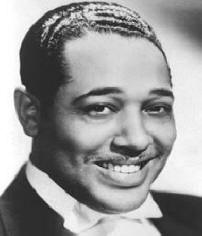
Edward Kennedy
"Duke" Ellington
Ellington Facts:
Born: April 29, 1899
Died:
May 24, 1974
Country: America
Ellington
Trivia:
Duke Ellington
is considered by many
to be America's greatest composer, bandleader, and recording artist.
Ellington wrote over three thousand compositions before his death in 1974.
In 1970, President Richard Nixon awarded
Duke Ellington the
Presidential Medal of Freedom on the
occasion of the Duke's 70th birthday.
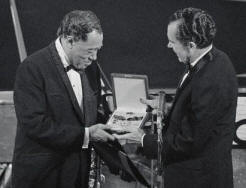
Duke Ellington has the distinction of having had a United States President play the piano for him.
Ellington got his nickname "Duke" from a classmate who admired him and thus crowned him with the honorary title.
Incredibly, Duke hated his early piano lessons and actually quit taking them because he was "bored."
In 2009, Duke Ellington became the first African American to be featured on a US coin. (Click on "coin" for more info.)
March, 2012
Chopin Facts:
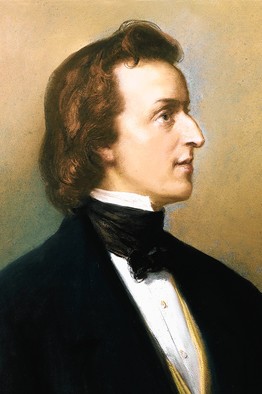
Frédéric François Chopin
Born:
March 1,
1810
Died:
October 17, 1849
Country:
Poland
Chopin Trivia:
Frédéric François Chopin is considered Poland's most important composer and virtuoso pianist.
Chopin's nickname was "The Poet of the Piano."
He was a piano prodigy who composed his first works at age 7.
Chopin composed 59 mazurkas, 27 etudes, 27 preludes, 21 nocturnes, 20 waltzes, 18 polonaises, 5 rondos, 4 ballades, 4 scherzi, 4 sets of variations, 4 impromtus, 3 piano sonatas, 2 piano concerti, and more.
His most famous works include: Polonaise No. 3 and 6; Funeral March from Sonata No. 2; Preludes No. 4 and 15.
The following are named in Chopin's honor: The Fryderyk Chopin University of Music in Warsaw, Poland; The Warsaw Chopin Airport; The Chopin crater on the planet Mercury; Asteroid #3784 Chopin.
His father was French.
February, 2012
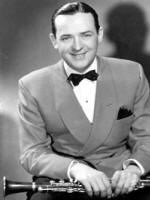
James
"Jimmy" Dorsey
Dorsey Facts:
Born:
February 29, 1904
Died:
June
12, 1957
Country:
America
Dorsey Trivia:
Jimmy Dorsey was a composer, jazz clarinetist, saxophonist, trumpeter and Big Band leader.
Dorsey composed jazz and pop standards including "I'm Glad There Is
You."
Jimmy was the son of a music teacher and the older
brother of Tommy Dorsey, also a prominent musician and band leader.
Dorsey's band was one of the first big bands to play on radio broadcasts.
Dorsey appeared in a number of movies, usually as "himself."
Jimmy Dorsey had eleven #1 hits with his orchestra including "Green Eyes" and "Tangerine."
Dorsey was inducted into the Big Band and Jazz Hall of Fame and the American Jazz Hall of Fame.
Jimmy is considered to be one of the most important alto saxophonists of
the Swing Era.
January, 2012
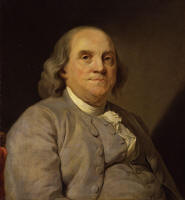
Benjamin Franklin
Yes!
THAT Benjamin Franklin!
Franklin Facts:
Born:
January 6, 1706
Died:
April 17, 1790
Country:
America
Franklin Trivia:
Ben Franklin really was the "Steve Jobs" of his time!
Franklin was an author, mathematician, printer, political theorist,
politician, postmaster, scientist, musician, inventor, satirist, civic
activist, statesman, oceanographer, meteorologist, diplomat and
chess player.
Franklin's musical accomplishments: invented a musical
instrument called the glass "armonica" (see it in the video in the
center column); composed one string quartet (or
did he?) wrote a musical treatise; played harp, violin and guitar;
and invented a 4-sided music stand.
As an inventor, Franklin invented the lightning rod, a carriage odometer, the Franklin stove, and bifocal glasses.
Franklin is also well-known for his discoveries and theories regarding
electricity. (Anyone want to go fly a kite?)
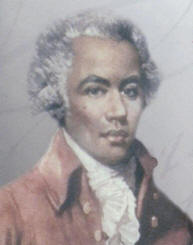
Joseph De Boulogne-Chevalier de Saint-George
De Boulogne Facts:
Born:
December 25, 1745
Died:
June 10, 1799
Country:
France
De Boulogne Trivia:
De Boulogne composed string quartets; concertos for violin;
symphonies; sonatas for keyboard and violin; variations for harpsichord;
five operas; and, one ballet.
He was born in Guadeloupe to a former slave and a white French
plantation owner.
De Boulogne was known as the “Black Mozart” and
was one of the earliest musicians of the European classical type known
to have African ancestry.
He was famous as the best swordsman in France and was an accomplished
equestrian who excelled at all sports of the time.
“Chevalier” means “knight” and is a title given to
swordsmen.
He was the first black colonel of the French army.
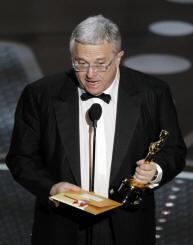
Randy Newman
Newman Facts:
Born: November
28, 1943
Died:
Country: America
Newman Trivia:
While Newman is a composer, singer and pianist, for many, he is best known as a film composer.
Randy had three uncles who were also well-known film composers (Alfred
Newman, Lionel Newman and Emil Newman).
Mr. Newman has been nominated for 20 Academy Awards (Oscars) and has won
twice. He won in 2002 for "If I Didn't Have You" from
Monsters, Inc and in 2010 for "We Belong Together" from
Toy Story 3.
He has also won 3 Emmys and 6 Grammys.
His most famous Emmy was for "It's A Jungle
Out There" which was written for the TV show Monk.
Some of the movies he composed music for include:
Ragtime, Parenthood, The Natural, Three Amigos, Toy Story, James and
The Giant Peach, A Bug's Life, Babe: Pig In The City, Toy Story 2,
Monsters, Inc., Cars, The Princess and The Frog, Toy Story 3.
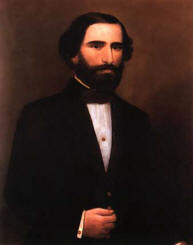
Giuseppe Fortunino
Francesco Verdi
Verdi Facts:
Born: October 10, 1813
Died:
January 27, 1901
Country: Italy
Verdi Trivia:
Verdi was noted for composing operas (28 of them in all.)
Verdi's most famous operas are: Aida, Rigoletto, Don Carlos, Nabucco, Falstaff, Il Trovatore, La Traviata and Otello.
His most famous arias are:
"La Donna e Mobile" from Rigoletto; "Va, Pensiero" from Nabucco; and, "Grand
March" from Aida.
Verdi's operas dominated the stage for a century and a half after their
composition.
Verdi's two babies died in infancy and his wife,
Margherita, died shortly afterward. He was devastated.
His name translates into English as “Joe Greens”
and is often a joke among musicians.
He died of a stroke at 87 years of age.
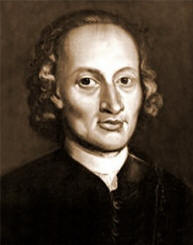
Johann Pachelbel
Pachelbel Facts:
Born: Sept. 1, 1653
Died: March 3, 1706
Country: Germany
Pachelbel Trivia:
Pachelbel was a German composer, organist and teacher.
Johann composed sacred and secular music which was very popular during his lifetime.
Pachelbel composed harpsichord, organ and other keyboard music.
His birthday is celebrated on September 1st
because he was baptized on
that date.
Johann composed chorales, fugues, chaconnes,
toccatas, fantasias, preludes, chamber music, choral and vocal music.
Pachelbel's most famous composition is Canon in D which is used
extensively in commercials, movies, videos games and is very popular at
weddings.
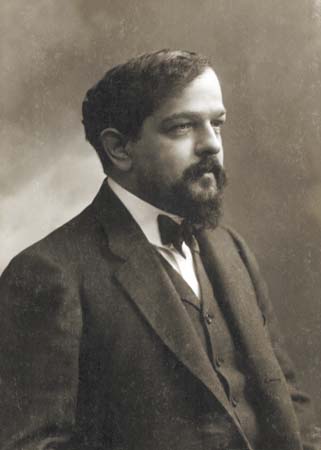
Claude-Achille Debussy
Debussy Facts:
Born: Aug. 22, 1862
Died:
March 25, 1918
Country: France
Debussy Trivia:
Debussy was a French composer and pianist and is considered one of the most important French composers of all time.
Debussy is known as the Innovator of Impressionist Music because of his use of whole-tone and pentatonic scales, parallel and bi-tonal chords.
He composed: piano works; sonatas for cello, flute, violin; ballets; and one opera.
Debussy opened the door for future composers to try radical composition techniques such as: minimalism (Philip Glass), jazz (Gershwin, Ellington), and he influenced music for films (John Williams).
His most famous music includes: Claire de Lune and Prelude to the Afternoon of A Faun.
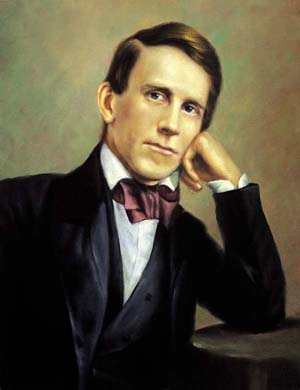
Stephen Collins Foster
Foster Facts:
Born: July 4, 1826
Died:
Jan. 13, 1864
Country: America
Foster Trivia:
Foster is known as "the father of American
music."
Foster was the most well-known and successful
songwriter in the US, in the 19th
century.
Mr. Foster is the only composer to have two of his
songs adopted as US State songs: My Old Kentucky Home (Kentucky) and
Old
Folks At Home, aka Suwanee River (Florida).
Other famous songs he wrote include: O! Susanna;
Camptown Races; and Beautiful Dreamer.
Most of Stephen's songs were about the South but he
never lived in the South and only visited one time.
Foster died at the age of 37 with 35 cents in his pocket.
June, 2011
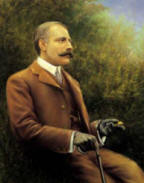
Sir Edward Elgar
Elgar Facts:
Born: June 2, 1857
Died:
Feb. 23, 1934
Country: Britain
Elgar Trivia:
Elgar's father was a piano teacher and music
dealer.
Elgar received no formal musical training.
Elgar once played violin in an asylum (supposedly to
soothe the patients) to help support himself.
Elgar's greatest musical achievements occurred only
during the time of his marriage which ended with the death of his wife,
Alice Roberts, in 1920.
In America, Elgar's best known musical composition is
Pomp and Circumstance Marches 1 through 4; in particular, March #1 is
often used at school graduations.
You can download a loop of his
March here on our website. Just click HERE.
March, 2011
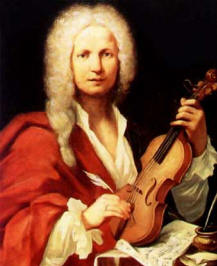
Antonio
Vivaldi
Vivaldi Facts:
Born: March 4, 1678
Died: July 28, 1741
Country: Italy
Vivaldi Trivia:
Vivaldi was ordained a priest in 1703 and was nicknamed, "The Red Priest" because of his auburn hair.
Antonio is considered one of the greatest composers of the Baroque era.
Probably his most famous work is a series of violin concertos known as "The Four Seasons."
Bach, who is often called "the greatest composer" was influenced by Vivaldi.
Like so many of the great composers, Antonio died a pauper. It is thought he died from bronchitis.
Vivaldi worked at orphanages as a music and violin teacher.
Antonio wrote more than 50 operas.
A movie, Vivaldi, about Antonio's early life is scheduled for release this year.
February, 2011
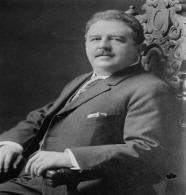
Victor Herbert
Herbert Facts:
Born: February 1, 1859
Died: May 24, 1924
Country: Ireland-America
Herbert Trivia:
Victor Herbert composed one of the first original scores for a full length film in 1916 – “The Fall of a Nation.”
Victor was married to Therese Forster, a famous opera singer of the time, and they had two children.
Herbert led the Pittsburgh Symphony for six years, then formed his own Orchestra which drew large crowds wherever they played.
Victor Herbert's most famous works are: Babes in Toyland and The Red Mill.
Herbert, along with John Philip Sousa, founded the American Society of Composers, Authors, and Publishers (ASCAP).
January, 2011
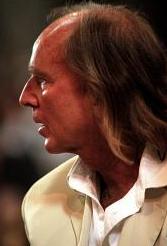
John
Tavener
Tavener Facts:
Born:
January 28,1944
Died:
Country: England
Tavener Trivia:
John was educated at
Highgate
School where one of his classmates was
John Rutter.
John first came to prominence in 1968 for his composition, The Whale, based on the biblical story of Jonah.
Tavener was knighted in 2000 as an acknowledgement of his contributions to music.
John has a FaceBook page which you can find HERE.
Sir John Tavener's composition, Song for Athene, was performed as the coffin of Princess Diana was carried from Westminster Abbey. You can view a video of this event HERE.
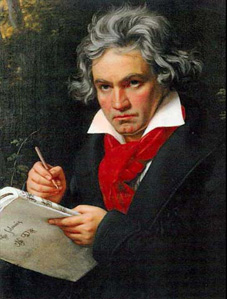
Ludwig van Beethoven
Beethoven Facts:
Born: December 16, 1770
Died:
March 26, 1827
Country:
Germany
Beethoven
Trivia:
He began to go deaf at the age of 28.
Beethoven never married.
Some 10,000 people attended his funeral - unheard of for a composer to that point in history.
Most famous works:
-
Symphony #5 in C Minor, Op. 67 (The first four notes are, perhaps, the most famous four notes in all history.)
-
Für Elise
-
Piano Sonata No.14 in C Sharp Minor, Op.27, No.2, 'Moonlight': I. Adagio Sostenuto
-
Symphony #9 in D Minor, Op. 125
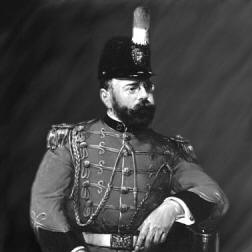
Sousa Facts:
Born:
November 6, 1854
Died:
March 6, 1932
Country: America
Sousa
Trivia:
Known as "The March King," Sousa is one of America's best known
composers and conductors.
His composition "Stars and Stripes Forever" is the official march of the United States of America.
Sousa wrote seven books and composed over 300 musical pieces.
Sousa was an enthusiastic trapshooter. He was also a horseman and a boxer.
Sousa first learned to play the piano and the violin with the latter being his favorite.
The Sousaphone is the instrument pictured on this page. It was named after Sousa and is a type of tuba descended from the instrument known as a helicon.
To see and hear and example of the Sousaphone, click HERE.
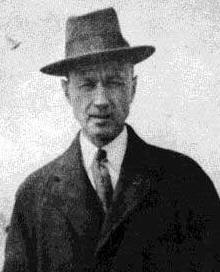
Ives Facts:
Born: October 20, 1874
Died: May 19, 1954
Country: America
Ives Trivia:
Charles Ives was a modernist composer who often included traditional songs, like those of Stephen Foster, within his work.
At the age of 14, Ives was a church organist and he composed hymns and songs for church services.
Charles composed a campaign song for President McKinley in 1896.
Believe it or not, Charles Ives made use of a wooden 2x4 as a means of producing piano tone clusters within his compositions.
Besides music, Ives had other interests: he was a fine athlete and a very successful insurance agent (his "other job").
Ives' two most famous works are: "Three Places In New England" and "The Holidays Symphony."
September, 2010
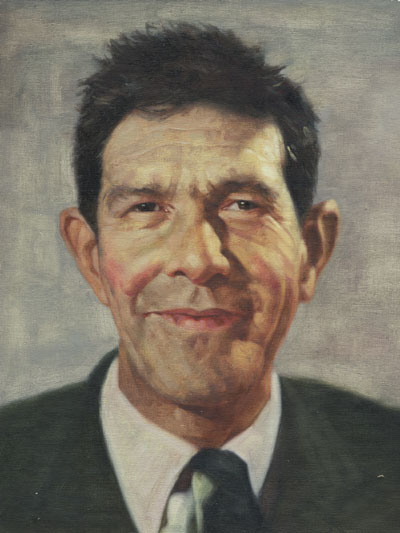
John Cage
Cage Facts:
Born:
September 5, 1912
Died: August 12, 1992
Country: United States
Cage
Trivia:
When playing John Cage's composition 4'33" the performer sits at
a piano and does nothing for 4 minutes and 33 seconds.
Cage's composition "Imaginary Landscape No 4" was written for 12 radios.
As a young child, Cage thought he would grow up to be either a minister or a writer.
John Cage invented the "prepared piano" - a piano with objects placed between the strings which transformed the piano into a percussion orchestra.
April-May, 2010
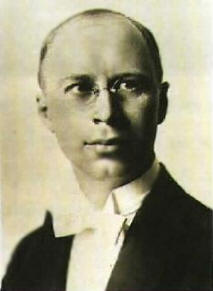
Prokofiev Facts:
Born:
April 23, 1891
Died:
March 5, 1953
Country: Russia
Prokofiev
Trivia:
In 1923, Prokofiev married the Spanish singer Lina Llubera.
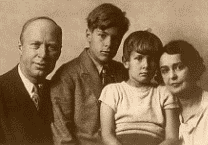
Sergei, Sviatoslav, Oleg, and Lina in 1936
In 1941, Prokofiev suffered a heart attack.
Shortly after his heart problem, Prokofiev divorced Lina and she was later arrested for espionage.
Prokofiev died of a cerebral hemorrhage on the very same day that Stalin died.
Although a composer of operas and numerous
piano pieces, Prokofiev's most well-known composition was written for
children - Peter and the Wolf.
Prokofiev completed Peter and the Wolf in a very short time.
(Some sources say 4 days, others 2 weeks)
Click on the link below - you'll see and hear a "beatboxing" version of
Peter and the Wolf themes.
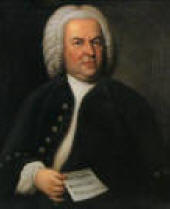
Bach Facts:
Born:
March 21, 1685
Died:
July 28, 1750
Country: Germany
Bach
Trivia:
Bach is considered by most to be the epitome of the Baroque Period.
In fact, the Period ended with his death.
Bach never ventured outside of Germany.
Bach's organ music included over 150 chorale preludes; preludes, fugues,
toccatas, fantasias, sonatas, and passacaglia. Visit our Pipe
Organ Pictures page by clicking on this picture:

February, 2010
Handel Facts:
Born: February 23,
1685
Handel Trivia:
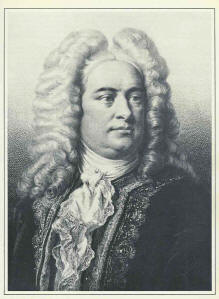
George Frideric Handel
Died: April 14, 1759
Country: Germany
Beethoven called Handel "the greatest composer who ever lived."
Handel's most well-known work was Messiah, often referred to incorrectly as The Messiah.
Handel never married.
Unlike many composers of the Baroque Period, Handel
died leaving a sizable estate, most of which went to a niece. Handel was buried in Westminster Abbey.
January, 2010
Mozart Facts:
Born: January 27,
1756
Mozart Trivia:
Although Mozart lived only to age 35, he
composed well over 600 musical compositions.
Mozart's father, Leopold Mozart (1719–1787),
was one of Europe's leading musical teachers.
Contrary to the popular movie
Amadeus, Mozart and Antonio Salieri
probably regarded each other as friends.
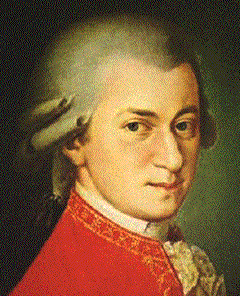
Johannes Chrysostomus Wolfgangus Theophilus Gottlieb Amadeus
Mozart
Died: December 5, 1791
Country: Austria
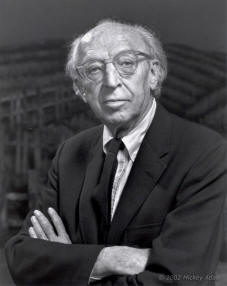
Copland Facts:
Born: November 14, 1900
Died:
December 2, 1990
Country: America
Copland Trivia:
Copland won the Pulitzer Prize for his composition Appalachian Spring.
Although he was from Brooklyn, Copland wrote a lot of music for Westerns, including his well-known Hoe-Down.
Copland's score for William Wyler's 1949 film, The Heiress won an Academy Award.
October, 2009
Saint-Saens Facts:
Born: October 9, 1835
Died: December 16,
1921
Country:
France
Saint-Saens Trivia:
Lived through almost the entire Romantic period.
Most famous work:
The Carnival of the Animals.
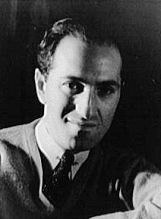
Gershwin Facts:
Born: September 26, 1898
Died: July 11, 1937
Country: America
Gershwin Trivia:
Gershwin's first published song was "When You Want 'Em You Can't Get 'Em, When You've Got 'Em, You Don't Want 'Em." It was published in 1916 when Gershwin was only 17 years old and earned him a total of $5.
In 1931, George composed Of Thee I Sing, the first Broadway musical to win a Pulitzer Prize.
Gershwin wrote Porgy and Bess, widely considered to be the most important American opera of the 20th century.
Gershwin died at the age of 38 from a brain tumor.
May, 2009
Brahms Facts: Brahms Trivia:
Brahms was one of the leading composers during the Romantic Era.
Brahms started studying piano at the age of 7. He also studied
the cello for a time.
Brahms' Lullaby is actually called
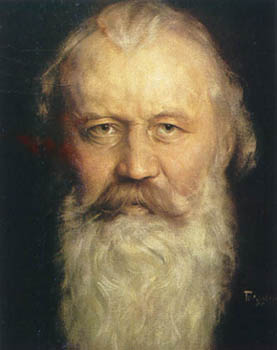
Johannes Brahms
Born: May 7, 1833
Died: April 3, 1897
Country:
Germany
Wiegenlied, Op. 49 No.
4
(Click
HERE
to hear a portion of the Lullaby. Can you name the musical instrument being played?)
April, 2009
Rachmaninoff Facts: Rachmaninoff Trivia:
Spelling of last name: you will often see
Sergei's last name spelled either "Rachmaninoff" or "Rachmaninov."
Some sources say that "Rachmaninoff" is the spelling Sergei used himself
during the latter years of his life.
Rachmaninoff lived in the era when piano players were popular and he
recorded a number of his compositions for various (player piano) roll
manufacturers.
Sergei possessed an uncanny memory. He could hear a musical piece
and then play it without music the next day, the next week or even the
next year.
Rachmaninoff had extremely large hands and a very large finger reach -
something which helped him immensely at the piano!
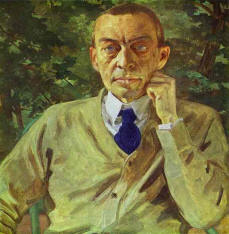
Sergei Vasilievich Rachmaninoff
Born: April 1, 1873
Died: March 28, 1943
Country:
Russia
March, 2009
Webber Facts:
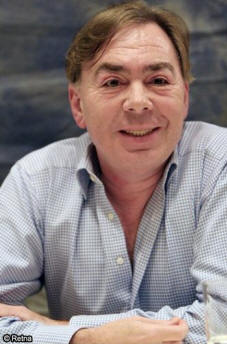
Andrew Lloyd Webber
Born:
March 22, 1948
Died:
Country: England
Webber Trivia:
Andrew started composing at age 6. He was only 9 years old when one of his compositions was published for the first time.
Mr. Webber's awards include: seven Tonys; three Grammys, including Best Contemporary Classical Composition for Requiem; seven Oliviers; a Golden Globe; an Oscar; two International Emmys; the Praemium Imperiale; the Richard Rodgers Award for Excellence in Musical Theatre; and The Kennedy Center Honor.
Andrew Webber was knighted in 1992 and created an honorary life peer in 1997.
A number of songs from Mr.
Webber's musicals have become major hits on their own: "Don't Cry For Me
Argentina," "Memory" and "The Music of the Night," to name just a few.
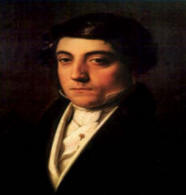
Rossini Facts:
Born:
February 29, 1792
Died: November 13, 1868
Country: Italy
Rossini Trivia:
Rossini started his musical career by playing a triangle in his father's band.
Rossini made one public appearance as a singer - at age 13.
Gioachino wrote his first opera when he was 13 or 14.
Rossini's most famous opera is The Barber of Seville.
For Americans, Rossini's most famous overture is from his opera Guillaume Tell (William Tell); it was made famous as the opening for the 50s television show, The Lone Ranger. For a video, click HERE.
January, 2009
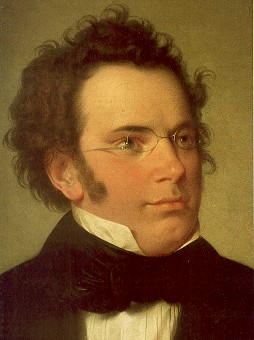
Franz Peter Schubert
Schubert Facts:
Born:
January 31, 1797
Died: November 19, 1828
Country: Austria
Schubert Trivia:
Schubert received music theory lessons from Antonio Salieri - the same
man who was also a friend of Mozart.
In 1815, Franz composed over 20,000 bars of music - a prolific output for any composer.
Schubert was a great admirer of Beethoven and, per Franz's request, he was buried next to Beethoven.
Franz Schubert wrote over 1000 works, a substantial amount of compositions when you consider that he died at the early age of 31.
Franz Liszt, our October, 2007, Composer of
the Month, called Schubert "the most poetic musician who ever
lived."
Click HERE
to hear a Schubert composition.)
December, 2008
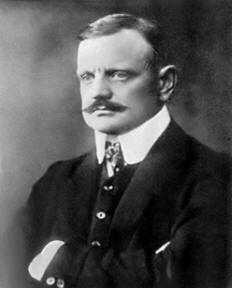
Johan (Jean) Julius Christian
Sibelius
Sibelius Facts:
Born:
December 6, 1865
Died:
September 20, 1957
Country: Finland
Sibelius
Trivia:
Sibelius and his wife, Aino, were married for 64 years.
Finlandia is probably Sibelius' most well-known composition.
November, 2008
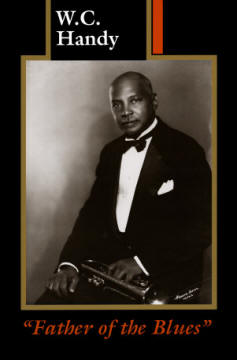
W. C. Handy
Handy Facts:
Born:
November 16, 1873
Died:
March 28, 1958
Country: America
Handy
Trivia:
Handy met his wife-to-be in Henderson, KY, while he was performing at a
barbecue.
Handy actually did grow up in a log cabin!
W. C. was 40 years old when he published what would become his most famous work - St. Louis Blues.
In 1943, Handy lost his balance and fell from a subway station and totally lost his vision.
After the death of his wife, Elizabeth, Handy remarried at the age of 80!
Handy is called the "Father of The Blues" because his style of playing the blues contributed to its popularity.
October, 2008
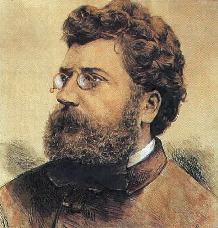
Georges Bizet
Bizet Facts:
Born:
October 25, 1838
Died:
June 3,1875
Country: France
Bizet
Trivia:
Despite being against the rules, Bizet was admitted into the
Paris Conservatory at the phenomenal age of 9!
Bizet's most famous work is the opera, Carmen.
Georges wrote his first symphony at the age of 16.
While putting music to the written word, Holst sometimes would learn a new language so that he could better understand the translation of the manuscript with which he was working. He learned both Sanskrit and Greek for this very reason.
Bizet died at the early age of 36 from a heart attack.
September, 2008
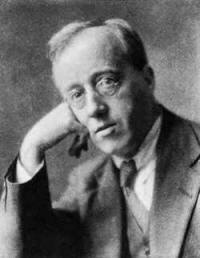
Gustav Holst
Holst Facts:
Born:
September 21, 1874
Died:
May 25, 1934
Country: England
Holst
Trivia:
Although his father wanted him to become a pianist, Gustav suffered from
neuritis in his hands (from an early age) and had to switch to another
musical instrument.
Gustav's first opera, named The Revoke, has never had a public performance.
While putting music to the written word, Holst sometimes would learn a new language so that he could better understand the translation of the manuscript with which he was working. He learned both Sanskrit and Greek for this very reason.
Gustav's most famous composition is The Planets; The Hymn of Jesus also was very successful.
Gustav's daughter, Imogen, became a distinguished composer, teacher, author, and conductor in her own right.
Sir Edward Elgar (see Other Composers) died the same year as Gustav.
May, 2008
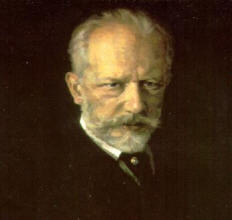
Pyotr Il'ich Tchaikovsky
Tchaikovsky Facts:
Born: May 7, 1840
Died:
November 6, 1893
Country: Russia
Tchaikovsky Trivia:
Tchaikovsky's well-known and oft-played composition, 1812 Overture, was written for an outdoor performance with cannons.
It is believed that Tchaikovsky never heard his 1812 Overture composition played with live cannons as the first performance was held indoors instead of outdoors as planned.
To view a video of the closing moments of the 1812 Overture, click HERE.
April, 2008
Edward Kennedy
"Duke" Ellington
Ellington Facts:
Born: April 29, 1899
Died:
May 24, 1974
Country: America
Ellington
Trivia:
Duke Ellington
is considered by many
to be America's greatest composer, bandleader, and recording artist.
Ellington wrote over three thousand compositions before his death in 1974.
In 1970, President Richard Nixon awarded
Duke Ellington the
Presidential Medal of Freedom on the
occasion of the Duke's 70th birthday.
Duke Ellington has the distinction of having had a United States President play the piano for him.
Ellington got his nickname "Duke" from a classmate who admired him and thus crowned him with the honorary title.
Incredibly, Duke hated his early piano lessons and actually quit taking them because he was "bored."
In 2009, Duke Ellington became the first African American to be featured on a US coin. (Click on "coin" for more info.)
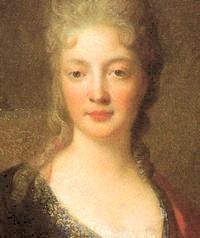
De la Guerre Facts:
Born: March 17, 1665
Died:
June 27, 1729
Country: France
De la Guerre
Trivia:
Ms. De la Guerre was a French composer and harpsichordist, considered the most
notable of all French composers during the
Baroque period of music.
At the young age of 5, Elisabeth performed for King Louis XIV by playing the harpsichord and singing.
Sadly, her ballad "Les jeux à l’honneur de la victoire" has been lost and there is no known copy available.
Ms. De la Guerre's father, her two brothers and her husband were all organists.
De la Guerre wrote both instrumental pieces and vocal compositions.
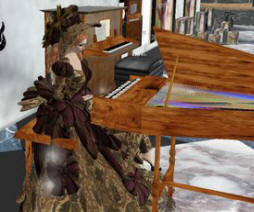
A harpsichord does not sound like a piano - see why by clicking on this picture:
February, 2008
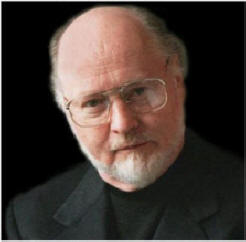
John Williams
Williams Facts:
Born: February 8, 1932
Died:
Country: America
Williams
Trivia:
Williams conducted the Boston Pops from 1980-1993, following the
well-liked and talented conductor, Arthur Fielder.
Williams once walked out of a Boston Pops rehearsal when some Pops members hissed at a new composition he had written.
Only Walt Disney has had more Academy Award nominations than John Williams.
John Williams has a son, Joseph, who is the former lead singer for the American rock band, Toto. He was also the singing voice for the Adult Simba in Disney's The Lion King.
On June 23, 2000, Williams became the first inductee into the Hollywood Bowl Hall of Fame.
Williams was married to actress
Barbara
Ruick from 1956 until her untimely death in 1974. In 1980, he
married his current wife, Samantha Winslow.
January, 2008
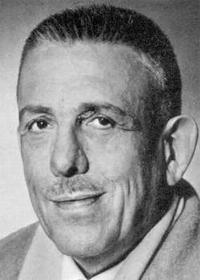
Francis Jean Marcel Poulenc
Poulenc Facts:
Born: January 7,
1899
Died: January 30,
1963
Country: France
Poulenc
Trivia:
Francis Poulenc is the most famous member of the French composer group
called "Les Six" ("The Six").
The five other composers of Les Six are: Mihaud, Honegger, Tailleferre, Durey, Auric.
Poulenc was an excellent pianist.
Poulenc's nickname was "Half bad-boy, half monk."
Poulenc was a bridge enthusiast, a dog lover, and a hypochondriac.
Poulenc's first piano teacher was his mother.
Poulenc's best-known works were: Stabat Mater, Gloria and Mass in G.
Francis composed music for all major genres including choral, piano, art song, chamber music, oratorio, opera, ballet, orchestral, sacred and secular.
Francis died of heart failure at age 64.
December, 2007
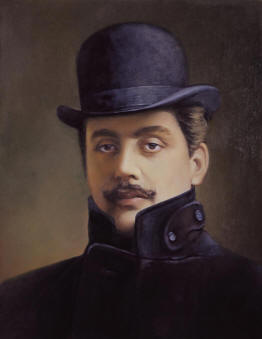
Giacomo Antonio Domenico Michele Secondo Maria
Puccini
Puccini Facts:
Born: December 22, 1858
Died: November 29, 1924
Country: Italy
Puccini
Trivia:
At the young age of 14, Giacomo was the church organist at two different
churches in his home town of Lucca, Italy - St. Martino and St. Michele
churches, to be exact.
Puccini is best known for his operas (He wrote twelve of them.) but he also wrote songs for voice and piano, sacred songs and chamber music.
Puccini was a chain smoker and died as a result of treatments he was undergoing for throat cancer.
La Bohème and Madama Butterfly are Puccini's most famous operas - still performed all over the world even today.
Puccini died during a performance of La Bohème and the opera was actually stopped and the director led the orchestra in Chopin's Funeral March, in honor of Giacomo.
October, 2007
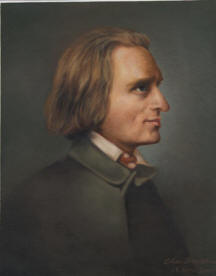
Franz Liszt
Liszt Facts:
Born:
October 22, 1811
Died:
July 31, 1886
Country: Hungary
Liszt
Trivia:
Liszt is considered to be the greatest technical
pianist the world has ever known.
Liszt was the creator of a new form of composition
called the symphonic poem.
Like another one of our Composers of the Month - Mozart - Franz Liszt
studied with Antonio Salieri.
There was no such thing as a piano recital before
Franz began them for his students.
Franz wrote an operetta when he was only 14!
Liszt was the Liberace of his day - a true showman at
the piano with great talent.
Many consider Sonata in B to
be Liszt's greatest piano piece. (Click
the start button below to hear a little of Sonata in B.)